How does a positive pressure cap work?
Locking prevents blood from backing up into the catheter lumen when the device is not in use. Positive pressure locking techniques maintain positive pressure inside the lumen in order to prevent blood reflux from the vein into the lumen of the VAD, thus preventing fibrin buildup, clots and thrombotic device occlusions.
What action should you be taking when accessing a CVC via a needleless connector?
The needleless connector must be disinfected prior to each access unless a Swabcap™ is in use and has not been compromised. Refer to Swabcap policy – CV. 01.10 Masks are used when removing the needleless connector from a central venous catheters.
How is positive pressure flushing done?
A positive-pressure flushing technique prevents blood reflux following the flushing procedure. Use one of two ways to do this: Flush the solution into the injection cap. As the last 0.5 ml of solution enters the system, withdraw the syringe and blunt cannula from the injection cap.
What does Cvad stand for?
Central venous access devices (CVADs) or central venous catheters (CVCs) are devices that are inserted into the body through a vein to enable the administration of fluids, blood products, medication and other therapies to the bloodstream.
What is an indwelling venous catheter?
These devices allow venous access for a period of months or even years, allowing infusions and withdrawal of venous samples. They are usually inserted into major veins with a section tunnelled under the skin. Such devices are often inserted with the aid of radiological guidance.
Where should the tip of a Cvad be positioned?
The literature recommends that a CVAD tip should be in the lower third of the superior vena cava. Anyone inserting a CVAD needs to take account of body position changes that may cause a tip to move.
What is a Cvad?
What is the purpose of clamps on Cvad lines?
Most peripheral IV extension sets also come with clamps, particularly those used for intermittent therapy. Clamps are provided so the line can be clamped off when not in use as a safety precaution. This is a common nursing practice, which dates back nearly 50 years.
What is a central venous access device (CVAD)?
The purpose of this Procedure is to inform staff of the safe management of a Central Venous Access Device (CVAD) in people being cared for at Canberra Health Services (CHS). A patient may require a CVAD for intravenous medications, nutrition, fluids, blood sampling, and/or invasive haemodynamic monitoring.
What are the risks associated with a central venousadhesive device?
Any infection associated with a CVAD is potentially life threatening as the device is positioned in the central venous circulation system. The majority of patients who need central venous access have serious underlying medical conditions, and many are immunocompromised, which increases the risks associated with infection (Gabriel, 2008).
What are the risks of having a CVAD procedure?
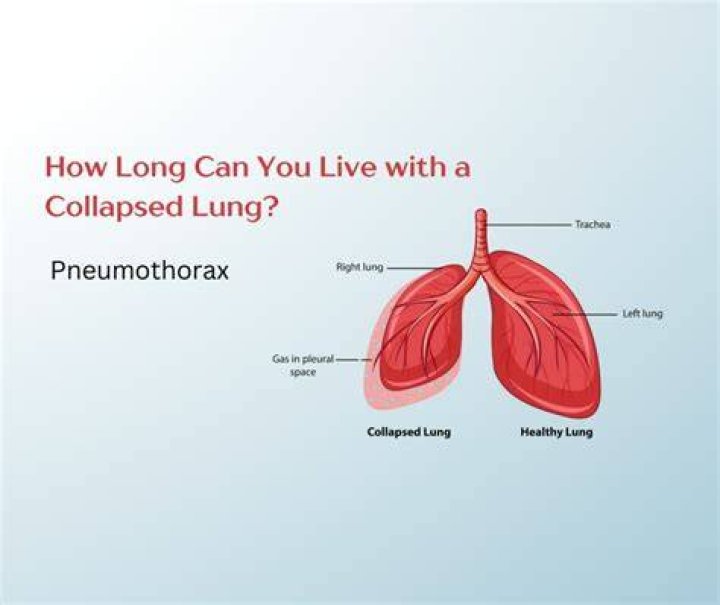
Despite being a common procedure it is not one without significant risks which include risks in the insertion of the devices and those associated with having a CVAD in situ either short or long term. These risks can include infection, malposition, pneumothorax, thrombosis, vascular injury and air embolus.
Who is competent to manage a CVAD?
Scope The Clinical Procedure – CVAD Managementpertains to all medical and nursing clinicians who are credentialed as being competent to manage CVAD’s and who assess patients, select, insert, manage access and remove CVADs. The ACT Health Central Venous Access Device Insertion eLearning and competency package is available on Capabiliti (