What acids are in white wine?
Types of Acid in Wine. There are four primary types of acid found in wine. They’re tartaric acid, malic acid, citric acid, and lactic acid. Tartaric acid and malic acid account for about 90% of the acid in wine.
What are the components of white wine?
The Components of Wine
- Water. Wine is usually 80-9o% water.
- Alcohol. Specifically, ethyl alcohol (also known as ethanol).
- Acid. Tartaric acid is the most common acid found in wine.
- Sugar. Glucose and fructose are the two simple sugars that can be found in equal amounts in the grapes.
- Phenolic Compounds.
Is malic acid in white wine?
In general, red wines are more often put through MLF than whites, which means a higher likelihood of finding malic acid in white wines (though notable exceptions, such as oaked Chardonnay, are often put through MLF).
Are organic acids alcohols?
An organic acid is an organic compound with acidic properties. The most common organic acids are the carboxylic acids, whose acidity is associated with their carboxyl group –COOH. Alcohols, with –OH, can act as acids but they are usually very weak.
Is wine acidic or alkaline?
The idea is that alkaline foods are better for your health since human blood has a pH of about 7.4….Is alcohol alkaline?
| Drink | pH | Where it falls on the scale |
|---|---|---|
| rum | 4.5–5.0 | acidic |
| whiskey | 3.68–4.78 | acidic |
| tequila | 3.2 | acidic |
| red wine | 3.3–3.6 | acidic |
Is white wine healthy?
The antioxidant composition of European white wines is comparable to that of olive oil, and whites may be just as effective as reds in facilitating healthy heart and artery function. Research suggests that moderate consumption of alcohol may support weight-loss efforts.
Is white wine Haram in food?
No. It is haram. Sulphites, in parenthesis, is most likely there to indicate that the wine contains sulphites (sulfites). According to The Kitchn it is used as a preservative in winemaking.
Does wine contain lactic acid?
Lactic acid is an organic acid that is a principle acid in wine. In the wine industry, the course of malolactic fermentation is monitored by tracking the falling level of L-malic acid, and the increasing level of L-Lactic acid. Lactic acid is responsible for reducing the acidity of wines, providing a smoother flavour.
How do you know if an acid is organic?
Examples of Organic Acids A great way to identify whether or not you are looking at an organic acid is to find the carboxylic acid functional group, RCOOH. In general, organic acids contain this group. Also, always remember that to be organic, it must have a carbon atom present in its structure.
Which one of the given is an organic acid?
Lactic acid, acetic acid, oxalic acid, uric acid, and malic acid are some of the common examples of organic acids.
What is acetic acid in wine?
Acetic acid is a two-carbon organic acid produced in wine during or after the fermentation period. It is the most volatile of the primary acids associated with wine and is responsible for the sour taste of vinegar. During fermentation, activity by yeast cells naturally produces a small amount of acetic acid.
Why are acids used in the winemaking process?
In the winemaking process, acids aid in enhancing the effectiveness of sulfur dioxide to protect the wines from spoilage and can also protect the wine from bacteria due to the inability of most bacteria to survive in low pH solutions. Two notable exceptions to this are Acetobacter and the lactic acid bacteria.
What kind of acid is in Milky wine?
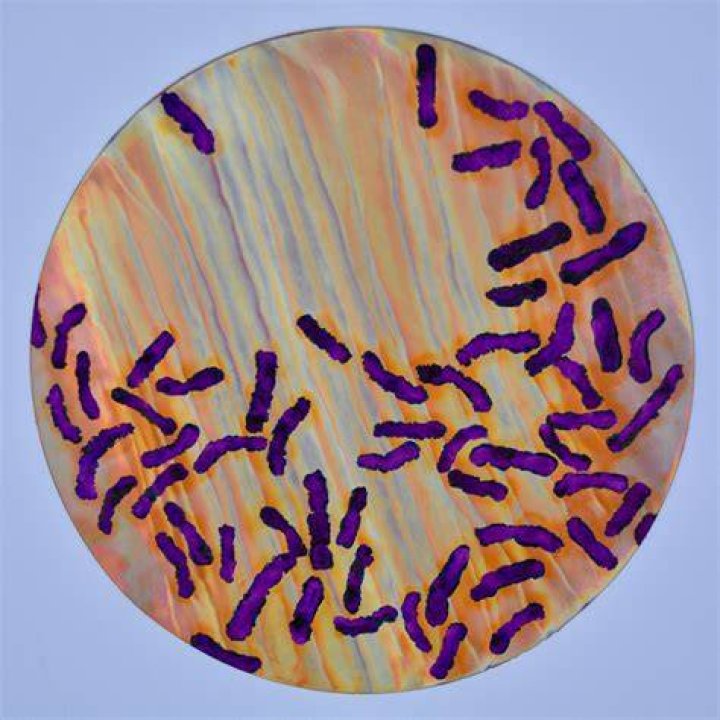
Lactic acid. A much milder acid than tartaric and malic, lactic acid is often associated with “ milky ” flavors in wine and is the primary acid of yogurt and sauerkraut. It is produced during winemaking by lactic acid bacteria (LAB), which includes three genera: Oenococcus, Pediococcus and Lactobacillus.
Is there citric acid in wine?
While very common in citrus fruits, such as limes, citric acid is found only in very minute quantities in wine grapes. It often has a concentration about 1/20 that of tartaric acid. The citric acid most commonly found in wine is commercially produced acid supplements derived from fermenting sucrose solutions.