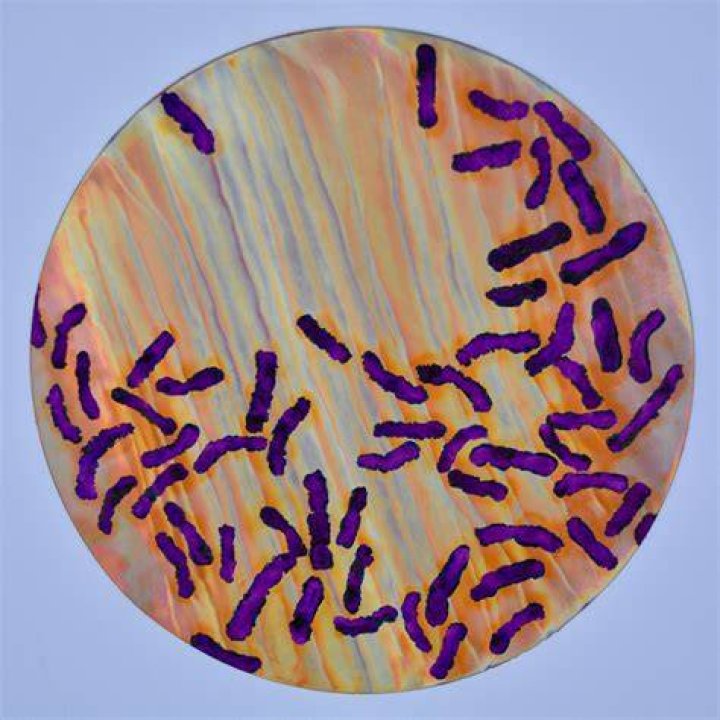
What is Philadelphia positive ALL?
About 25 percent of adults have an ALL subtype called “Ph-positive ALL” (also known as either “Ph+” or “Philadelphia chromosome-positive ALL”). In Ph+ ALL the Philadelphia chromosome contains the abnormal BCR-ABL fusion gene that makes an abnormal protein that helps leukemia cells to grow.
How do you treat the positive chromosome in Philadelphia?
Currently, the standard of care in the frontline setting for fit patients is TKI in combination with chemotherapy. Age-adjusted chemotherapy or corticosteroids alone have been used with TKIs in elderly patients with comorbidities with modest long-term benefit.
Is Philadelphia chromosome good or bad?
The Philadelphia chromosome (Ph), t(9;22), is seen in about 20 % to 30 % of adults diagnosed with acute lymphoblastic leukemia (ALL). It has been associated with poorer prognosis compared with Ph-negative ALL.
What is the ICD 10 code for acute lymphoblastic leukemia?
C91.01
Acute lymphoblastic leukemia, in remission C91. 01 is a billable/specific ICD-10-CM code that can be used to indicate a diagnosis for reimbursement purposes.
What is Philadelphia negative ALL?
Adolescents and young adults (AYAs) with Philadelphia chromosome–negative acute lymphoblastic leukemia (ALL) represent a unique patient population with a disproportionate survival disadvantage compared with younger children.
Does everyone have a Philadelphia chromosome?
People aren’t born with a Philadelphia chromosome. It happens because of a mistake our bodies can make later in life. The mistake is that a piece of chromosome 9 sticks to a piece of chromosome 22. This mistake leads to a very serious blood cancer called “chronic myeloid leukemia,” or CML.
What is Philadelphia chromosome leukemia?
Listen to pronunciation. (FIH-luh-DEL-fee-uh KROH-muh-some) An abnormality of chromosome 22 in which part of chromosome 9 is transferred to it. Bone marrow cells that contain the Philadelphia chromosome are often found in chronic myelogenous leukemia and sometimes found in acute lymphocytic leukemia.
Can Ph+ ALL be cured?
Ph+ ALL children and adolescents were once the poorest-risk subgroups of ALL patients. With chemotherapy alone, only 20-30% of children with Ph+ ALL are cured. Allogeneic HSCT from a closely matched donor in first complete remission cures 60% of patients.
What is Philadelphia chromosome which type of mutation can be seen in Philadelphia positive CML?
The truncated chromosome 22 that results from the reciprocal translocation t(9;22)(q34;q11) is known as the Philadelphia chromosome (Ph) and is a hallmark of chronic myeloid leukemia (CML). In leukemia cells, Ph not only impairs the physiological signaling pathways but also disrupts genomic stability.
How does Philadelphia chromosome lead to CML?
The Philadelphia chromosome forms when chromosome 9 and chromosome 22 break and exchange portions. This creates an abnormally small chromosome 22 and a new combination of instructions for your cells that can lead to the development of chronic myelogenous leukemia.
How do you code acute lymphoblastic leukemia?
C91. 0 – Acute lymphoblastic leukemia [ALL]. ICD-10-CM.
What does all stand for in medical terms?
Acute lymphocytic leukemia (ALL) is a type of cancer of the blood and bone marrow — the spongy tissue inside bones where blood cells are made.
What is the ICD 10 code for Philadelphia chromosome PH1 positive?
Chronic myelogenous leukemia, Philadelphia chromosome (Ph1) positive. Chronic myelogenous leukemia, t(9;22) ( ICD-10-CM Diagnosis Code Q34. Other congenital malformations of respiratory system 2016 2017 2018 2019 Non-Billable/Non-Specific Code.
What is the Philadelphia chromosome?
The Philadelphia chromosome (Ph) is the most common cytogenetic abnormality associated with adult acute lymphoblastic leukemia (ALL).
What is Philadelphia chromosome-positive acute lymphoblastic leukemia?
Philadelphia chromosome-positive acute lymphoblastic leukemia: current treatment and future perspectives The Philadelphia chromosome (Ph) is the most common cytogenetic abnormality associated with adult acute lymphoblastic leukemia (ALL).
What are the ICD-10-CM codes for chronic myelogenous leukemia (C92)?
chronic myelogenous C92.1- (Philadelphia chromosome (Ph1) positive) (t (9;22)) (q34;q11) (with crisis of blast cells) Reimbursement claims with a date of service on or after October 1, 2015 require the use of ICD-10-CM codes.