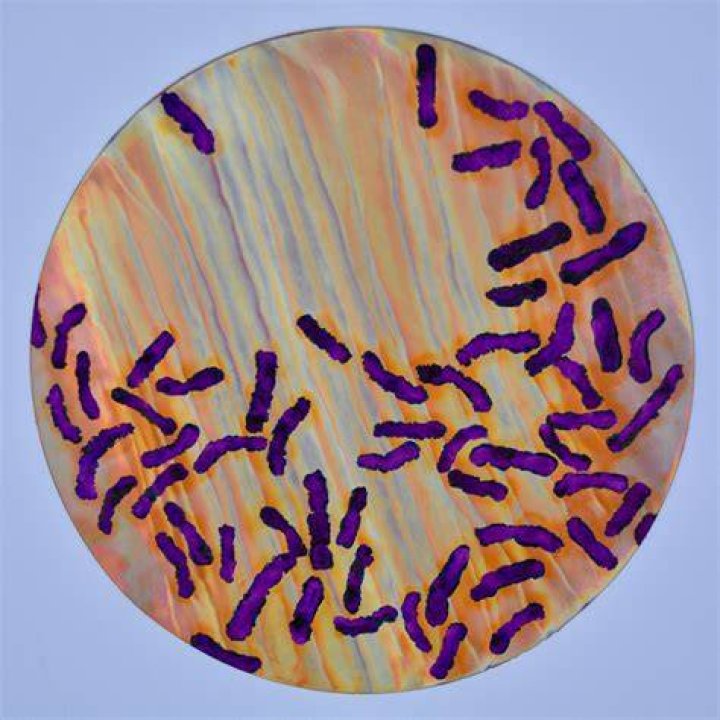
What is the protein source of Quorn?
mycoprotein
Quorn’s mycoprotein is a source of protein that is high in fiber and low in saturated fat. To make Quorn’s mycoprotein, we don’t start with livestock, we take a natural, nutritious fungus that grows in the soil. This fungus is known as Fusarium venenatum.
How is mycoprotein produced on a large scale?
Mycoprotein now can be produced at a large scale using industrial fermenters. At first, the fungus Fusarium venenatum is cultured in fermenters filled with sterilized water and glucose solution. Then, more glucose, ammonia gas and oxygen are added to help the fungus grow continuously.
How do fungi make protein?
To make protein, nitrogen (in the form of ammonia) is added and vitamins and minerals needed to support growth. The vat is kept at a constant temperature, also optimized for growth; the fungus can double its mass every five hours.
How is Quorn made?
All Quorn foods contain mycoprotein as an ingredient, which is derived from the Fusarium venenatum fungus. In most Quorn products, the fungus culture is dried and mixed with egg albumen, which acts as a binder, and then is adjusted in texture and pressed into various forms.
What is Quorn products made from?
The main ingredient in all Quorn products is Quorn’s mycoprotein, a naturally sourced meat free super protein that is high in fibre, low in saturated fat and a complete source of amino acids.
Is Quorn highly processed?
Quorn is made by fermenting Fusarium venenatum, a natural fungus found in soil. Glucose, oxygen, nitrogen and minerals are added to create the conditions for it to convert wheat into protein. There is no denying that it’s a highly processed food.”
How is mycoprotein made into Quorn?
To make Quorn’s mycoprotein, we don’t start with livestock, we take a natural, nutritious fungus that grows in the soil. We then use the age-old process of fermentation – the same process used to create bread, beer and yoghurt – to grow Quorn’s mycoprotein.
What is mycoprotein production?
Mycoprotein is a protein made from Fusarium venenatum, a naturally occurring fungus. To create mycoprotein, manufacturers ferment fungi spores along with glucose and other nutrients. The fermentation process is similar to what’s used to create beer.
What is Quorn made of?
What is Quorn? First introduced in 1983, Quorn is the trade-marked name given to a meat substitute called mycoprotein. This plant-based protein is derived from a natural micro-fungus called Fusarium Venenatum. The fungus is fermented, in a similar way to beer or yogurt, which promotes growth of the mycoprotein.
How is Quorn mycoprotein produced?
To make Quorn’s mycoprotein, we don’t start with livestock, we take a natural, nutritious fungus that grows in the soil. This fungus is known as Fusarium venenatum. We then use the age-old process of fermentation – the same process used to create bread, beer and yoghurt – to grow Quorn’s mycoprotein.
Is Quorn high in protein?
Quorn’s mycoprotein, an ingredient in all Quorn products, is a nutritious protein that can form part of a healthy, balanced and varied diet. It is high in protein, high in fibre, low in saturated fat and contains no cholesterol.
What are Quorn products made of?
The main ingredient in all Quorn products is Quorn’s mycoprotein, a naturally sourced meat-free super protein that is high in fiber, soy-free and non-GMO. Quorn’s mycoprotein helps Quorn products deliver a great meat-like texture, perfect for cooking any of your favorite recipes.
Where does the protein go when it is made?
If the protein is going to be used within the cytoplasm of the cell, the ribosome creating the protein will be free-floating in the cytoplasm.
Is single cell protein a viable option for animal feed?
Single cell protein (SCP), i.e., protein produced in microbial and algal cells, is an option with potential. Much of the recent interest in SCP has focused on the valorisation of side streams by using microorganisms to improve their protein content, which can then be used in animal feed.
What is the target sequence of proinsulin?
It contains a signal sequence that targets the immature protein to the rough endoplasmic reticulum, where it folds into the correct shape. The targeting sequence is then cut off of the amino acid chain to form proinsulin.
How is proinsulin folded and shipped to the Golgi apparatus?
It contains a signal sequence that targets the immature protein to the rough endoplasmic reticulum, where it folds into the correct shape. The targeting sequence is then cut off of the amino acid chain to form proinsulin. This trimmed, folded protein is then shipped to the Golgi inside a vesicle.